
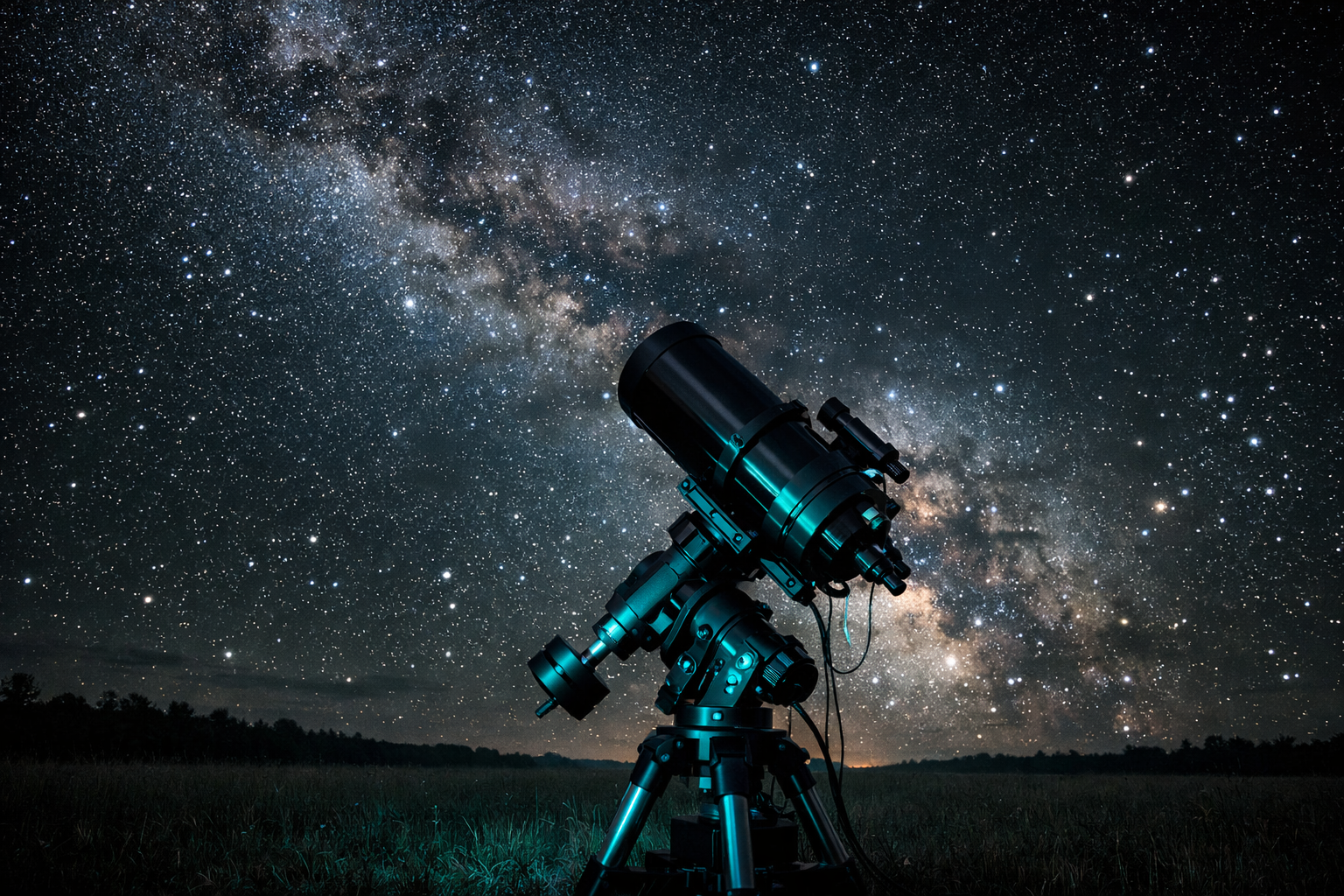
Sky Imaging AI
Automated Sky Imaging with NVIDIA Jetson
Moon · Planets · Stars · Airplanes · Satellites
Point a telescope or camera at the sky. The Jetson watches automatically — capturing the moon and stars at night, tracking airplanes during the day, and detecting satellites and meteors passing overhead. All images are sorted, stacked, and saved by AI.
What can you capture?
One camera, one Jetson — six different things it can find and photograph in the sky
🌕
The Moon
Craters, mountains, and shadows. The Jetson takes hundreds of photos and stacks them into one incredibly sharp image showing features just 1 km wide.
Best time: any clear night
🪐
Planets & Stars
Jupiter’s cloud bands, Saturn’s rings, Mars surface colour. Star clusters and nebulae. The AI identifies each object automatically from a built-in star map.
Best time: after midnight, away from city lights
✈️
Airplanes
The AI spots aircraft crossing the frame, locks on, and takes a sharp photo. It can read the flight number and identify aircraft type using a $20 ADS-B radio receiver.
Best time: daytime or dusk
🛰️
Satellites
Satellites look like slow steady dots moving in a straight line. The Jetson watches all night and captures every one — including the ISS which crosses the sky in just 6 minutes.
Best time: just after sunset or just before sunrise
☄️
Meteors
Meteors appear as a bright streak in just one or two frames. The AI spots them instantly and saves the photo with a timestamp. Perfect for meteor shower nights.
Best time: meteor showers, 1am–4am
☁️
Clouds & Weather
The AI checks for clouds every few minutes. If the sky gets cloudy it pauses automatically and waits. When the sky clears it starts again. You never waste a single photo.
Always watching — day or night
What is image stacking?
The secret trick that turns blurry photos into incredibly sharp, detailed images of the moon and planets
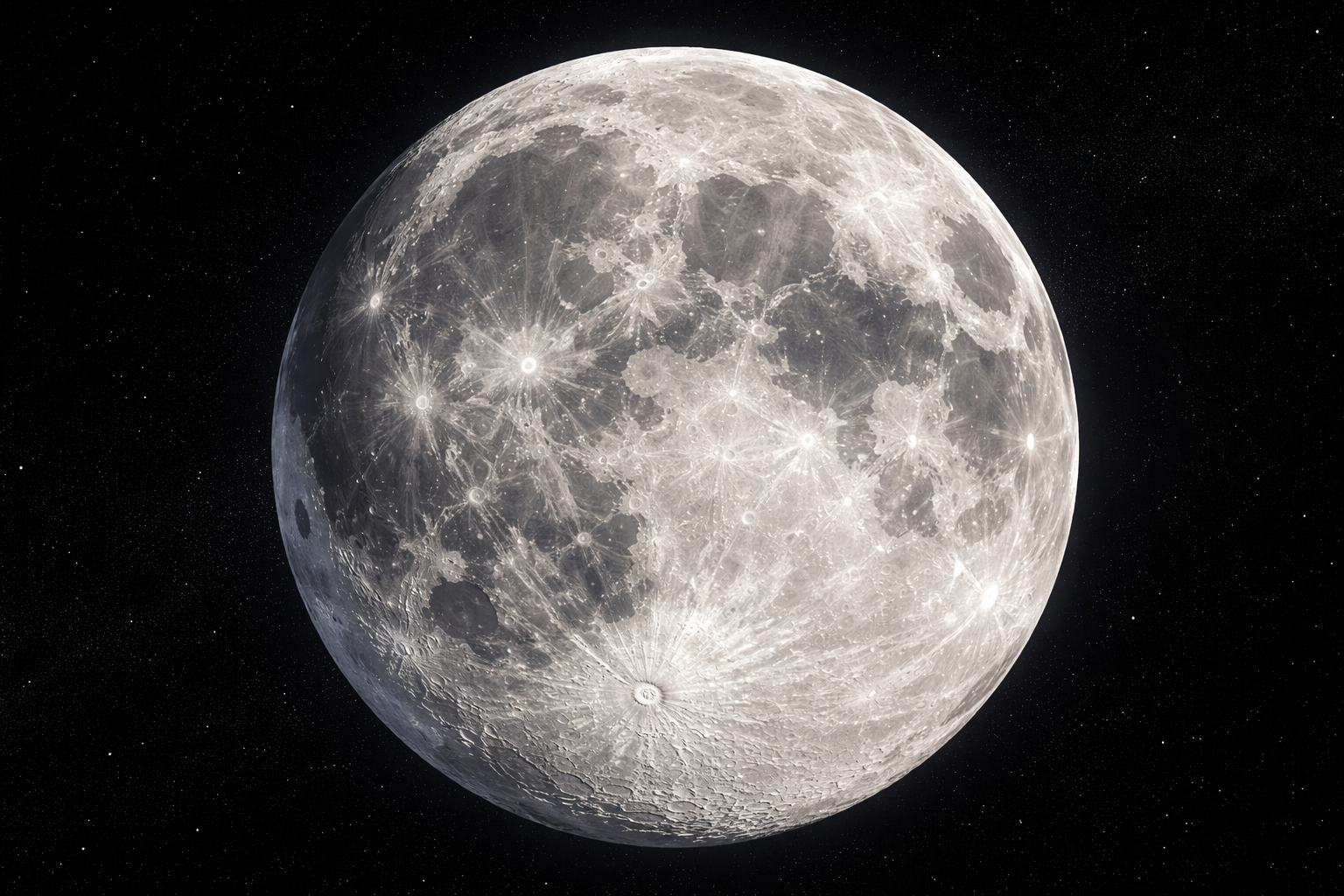
Result of stacking 500 photos — craters less than 1 km wide are clearly visible
Why one photo is not enough
The air between us and the moon is always moving. It bends the light and makes the image wobble — like looking at something through water. One photo catches the moon at one wobbly moment. It looks blurry.
How stacking fixes it
Take 500 photos. The Jetson lines them all up and layers them on top of each other. The random wobble of the air cancels out. What is left is the real, crisp surface of the moon. Stacking 500 photos makes the image up to 10 times sharper.
The Jetson does it all for you
You just press start. The Jetson takes photos all night, scores each one for sharpness, throws away the blurry ones, and stacks the best ones into a final image — all while you sleep.
Satellites & Meteors — streaks in the night sky
The Jetson watches all night and captures every streak that crosses the sky
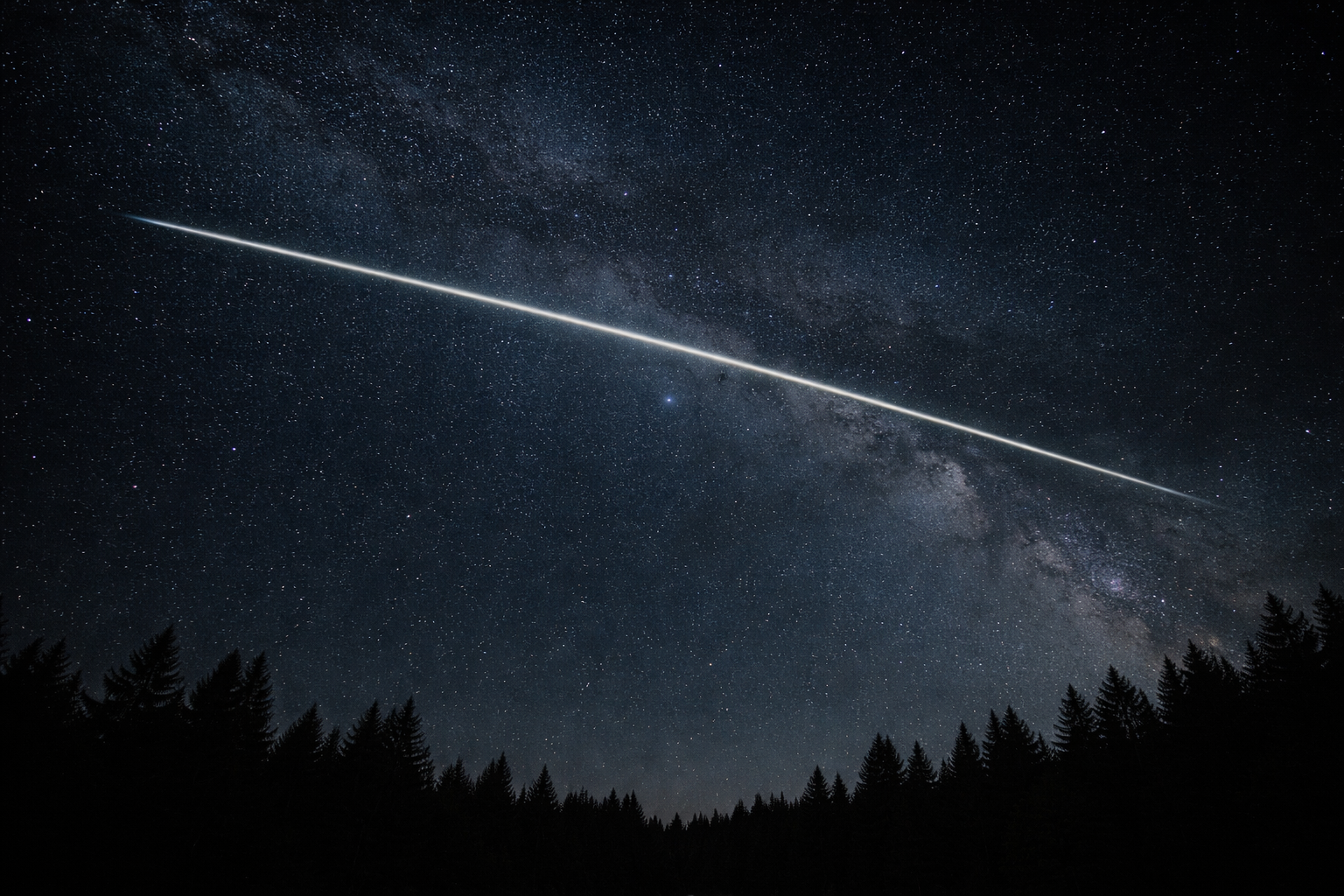
How to tell the difference
Satellite: moves slowly and steadily in a straight line across the whole sky. Takes 3–6 minutes to cross. Brightest just after sunset or just before sunrise.
Meteor: very fast, very bright, disappears in 1–2 seconds. Often leaves a glowing trail. The Jetson saves the exact time and brightness of every one it captures.
The ISS — the brightest satellite
The International Space Station is the third brightest object in the night sky after the Sun and Moon. It is so bright you can even see it with your eyes. The Jetson can photograph it zoomed in — you can see its solar panels and body structure through a telescope!
How airplane tracking works
During the day the Jetson switches to airplane mode — spotting, tracking and photographing every flight overhead
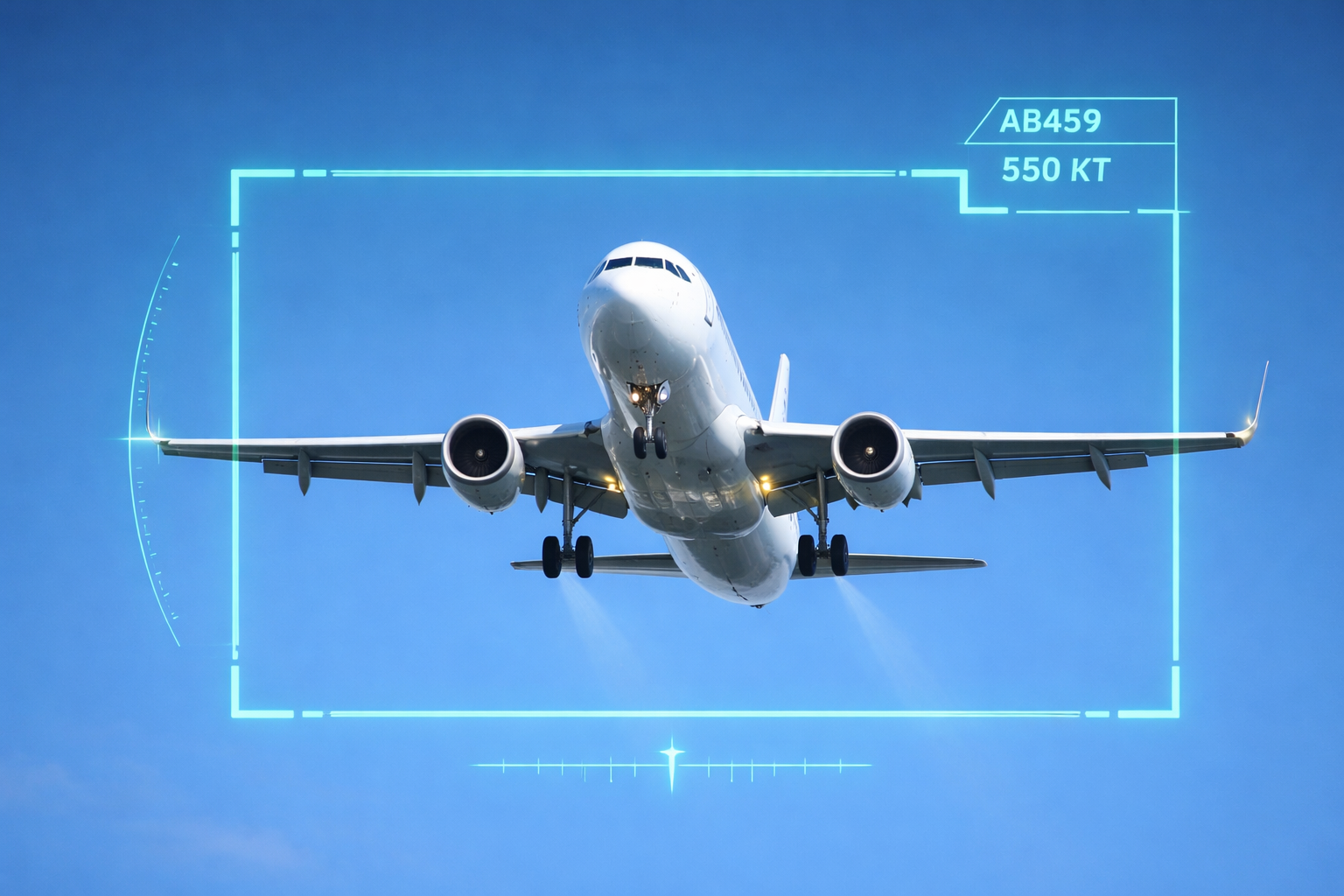
Step 1 — Spot the airplane
The AI watches the sky. When it sees a fast-moving object with wings it knows it is an airplane. This takes less than half a second.
Step 2 — Lock on and follow
The Jetson tells the motorised mount to rotate and follow the airplane as it moves across the sky. The airplane stays centred in the frame the whole time.
Step 3 — Take a sharp photo
A very fast exposure freezes the airplane. You can clearly see the aircraft type, livery, and even windows. The AI checks sharpness and saves the best shot.
Step 4 — Identify the flight
A £20 ADS-B dongle picks up the signal every airplane broadcasts. The Jetson matches it to the photo and adds the flight number, airline, aircraft type, and destination.
The Jetson — your all-day, all-night sky robot
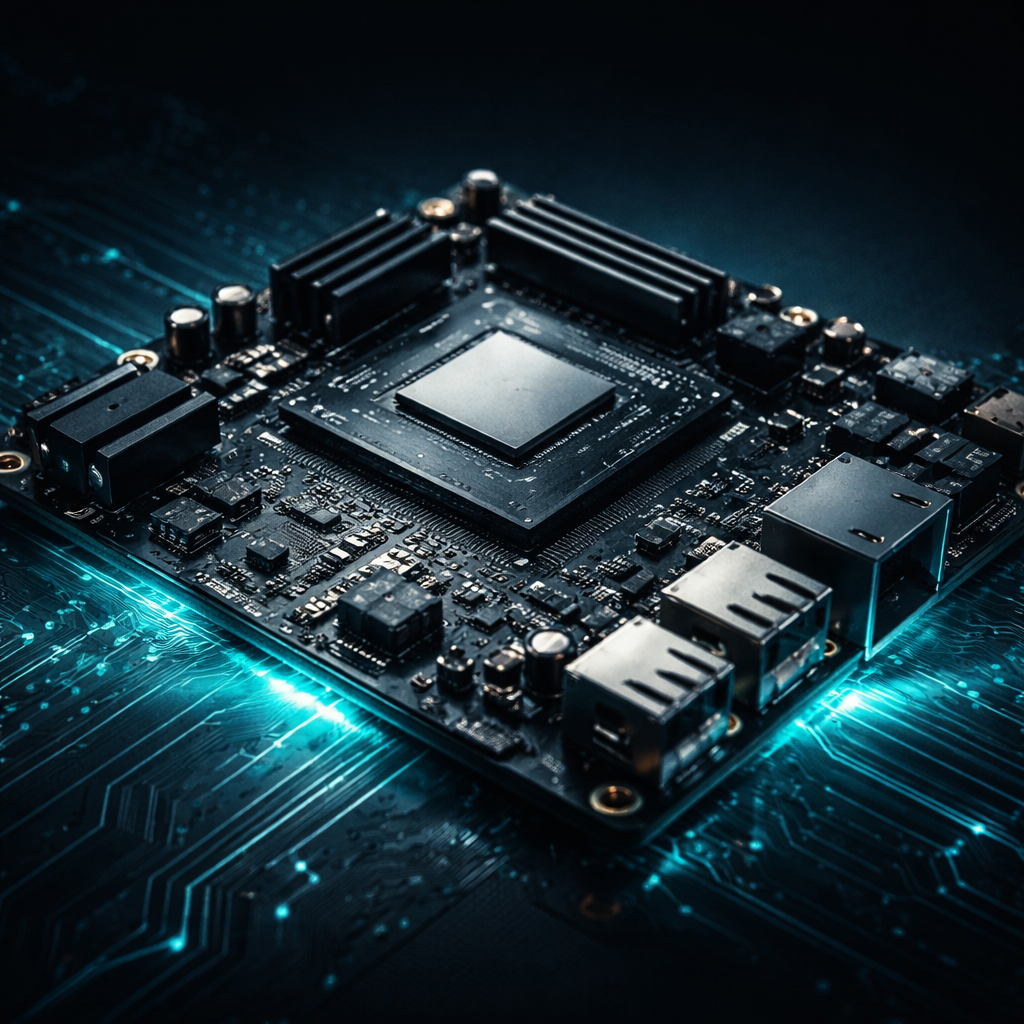
What it does — day and night
- Daytime: spots airplanes, tracks them, takes sharp photos, logs flight number and destination
- Dusk / dawn: watches for satellites — the best time to catch them glowing in sunlight
- Night-time: photographs the moon, planets, and stars using image stacking
- All the time: checks for clouds every few minutes and pauses when the sky is blocked
- Meteors: detects bright streaks any time of night and saves them instantly
- Organises everything: saves photos into folders — Moon, Airplane, Satellite, Meteor
- Sends you a message: texts or emails you the best photo of the night when it is done
Did you know? Airlines are required by law to broadcast their position every second using ADS-B. Any radio receiver costing around £20 can pick up these signals. The Jetson listens to hundreds of flights at once and matches each signal to a photo!
What the AI detects in the sky
| What it finds | How it finds it | What you get | Day or night? |
|---|---|---|---|
| Airplanes ✈️ | AI spots moving winged shape, cross-checks ADS-B radio signal | Sharp photo + flight number, airline, aircraft type, destination | Daytime |
| Satellites 🛰️ | AI finds slow straight-line dots moving across frames | Photo + satellite name, orbit height, next pass time | Dusk / dawn |
| The Moon 🌕 | Hundreds of photos taken and stacked automatically | Ultra-sharp stacked image with crater details | Night |
| Planets 🪐 | AI compares positions to built-in star map database | Planet identified, surface features labelled | Night |
| Stars ⭐ | AI matches star patterns to known star catalogue | Each star named with distance and brightness | Night |
| Meteors ☄️ | AI finds bright streaks appearing in just one frame | Photo saved instantly with time, direction, and brightness | Night |
| Clouds ☁️ | AI measures how much of the sky is covered | Imaging paused — resumes automatically when sky clears | Always |
| Light pollution 💡 | AI measures background sky brightness | Warning if conditions are too bright for good imaging | Night |
What you need to get started
For moon & stars (night)
- Any telescope with a camera adapter
- Astronomy camera or basic webcam to start
- Motorised mount — follows stars as Earth turns
- NVIDIA Jetson Orin Nano — runs all the AI
- USB cable — connects camera to Jetson
- Power bank — runs all night outside
For airplanes (daytime)
- Long zoom lens — 500mm or longer works best
- ADS-B USB dongle — around £20, picks up airplane signals
- NVIDIA Jetson Orin Nano — same board, different program
- Tripod — keeps camera steady during tracking
- dump1090 software — reads ADS-B signals (free)
- Clear sky near an airport — more planes overhead!
Software (all free)
- INDI / EKOS — controls telescope and camera
- OpenCV — checks sharpness of every photo
- dump1090 — reads airplane ADS-B signals
- Stellarium — star map for aiming the telescope
- AutoStakkert — stacks moon and planet images
- Python — ties everything together
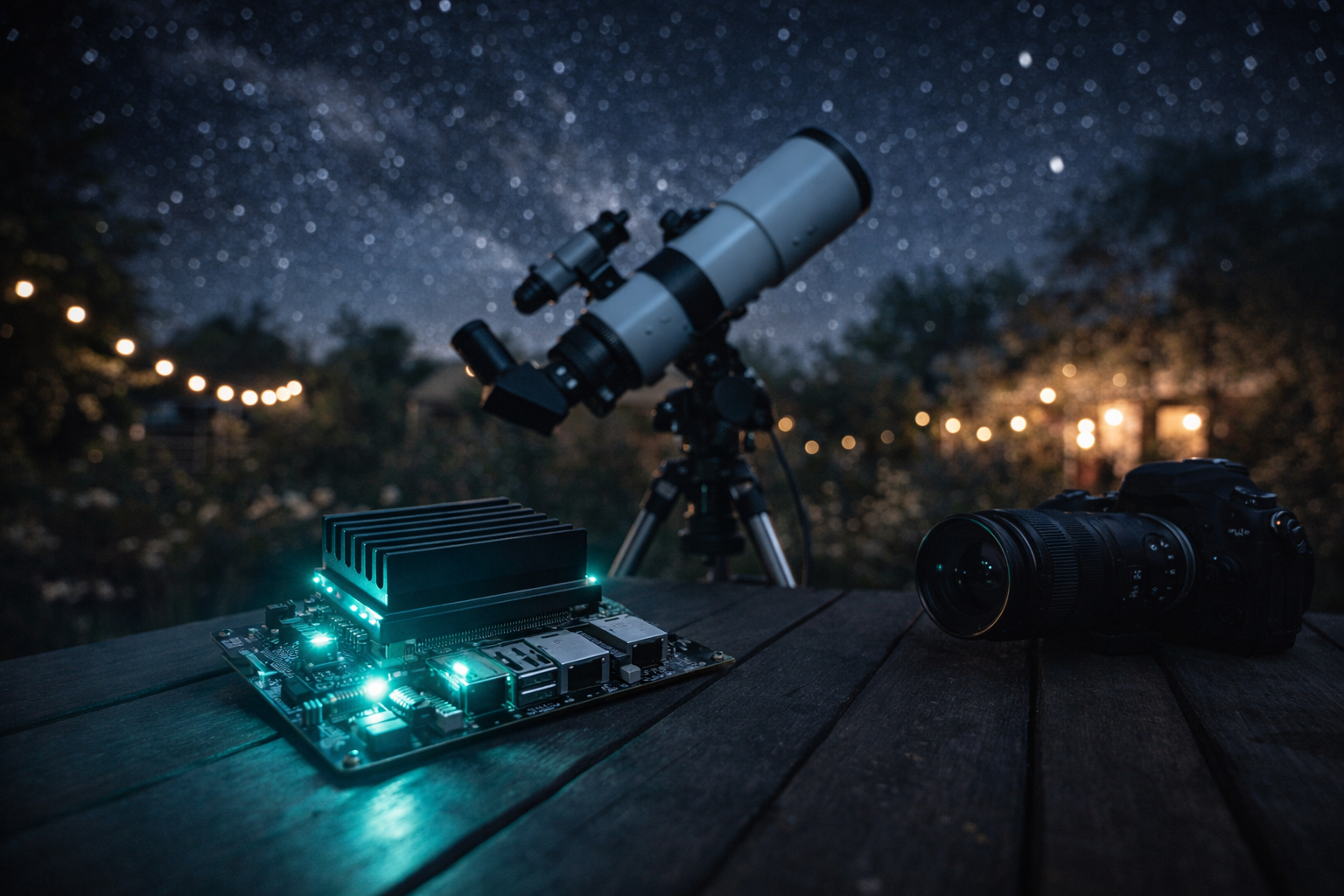
Ready to watch the whole sky?
The HemiHex Jetson Kit is the perfect brain for your sky-watching station. During the day it tracks airplanes. At dusk it captures satellites. All night it photographs the moon and stars. One small computer — endless sky to explore.